
Infrastructure, connectivity, and security for industrial companies
Technical articles written by the TeleCloud team for operations directors and IT managers in the manufacturing and automotive sector.
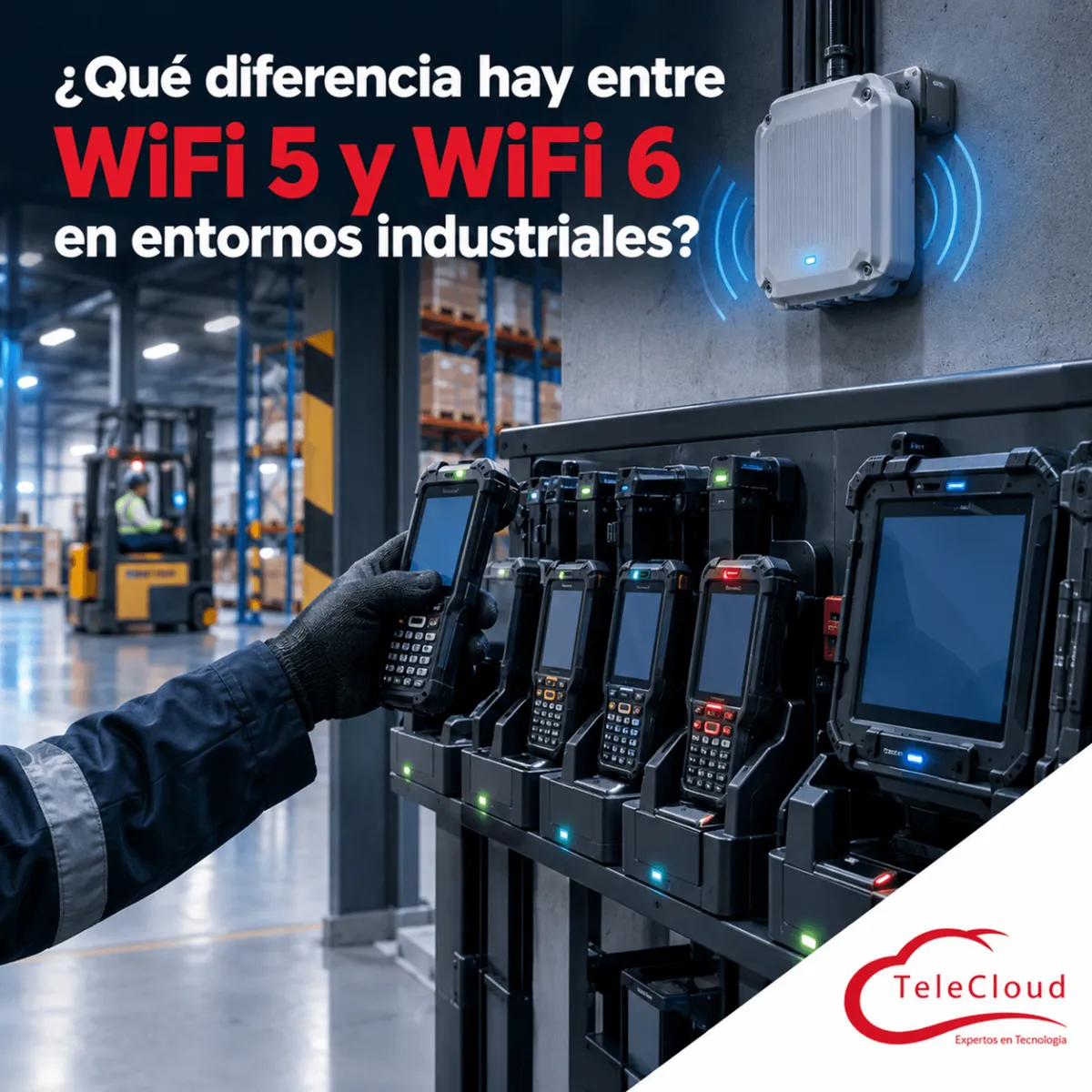
What Is the Difference Between WiFi 5 and WiFi 6 in Industrial Environments?
WiFi 6 (802.11ax) changes the way the channel is shared among devices. We explain what OFDMA, TWT, BSS Coloring and WPA3 bring to a plant, what happens in the 2.4 GHz band and how to migrate zone by zone without paying twice.

What Is Enterprise Video Conferencing and What Equipment Do You Need?
Enterprise video conferencing is a room system (audio, camera, displays, computing and network) for meeting with remote participants. We explain what equipment each room size needs, how to handle the network and acoustics and how to take the meeting to the production floor.
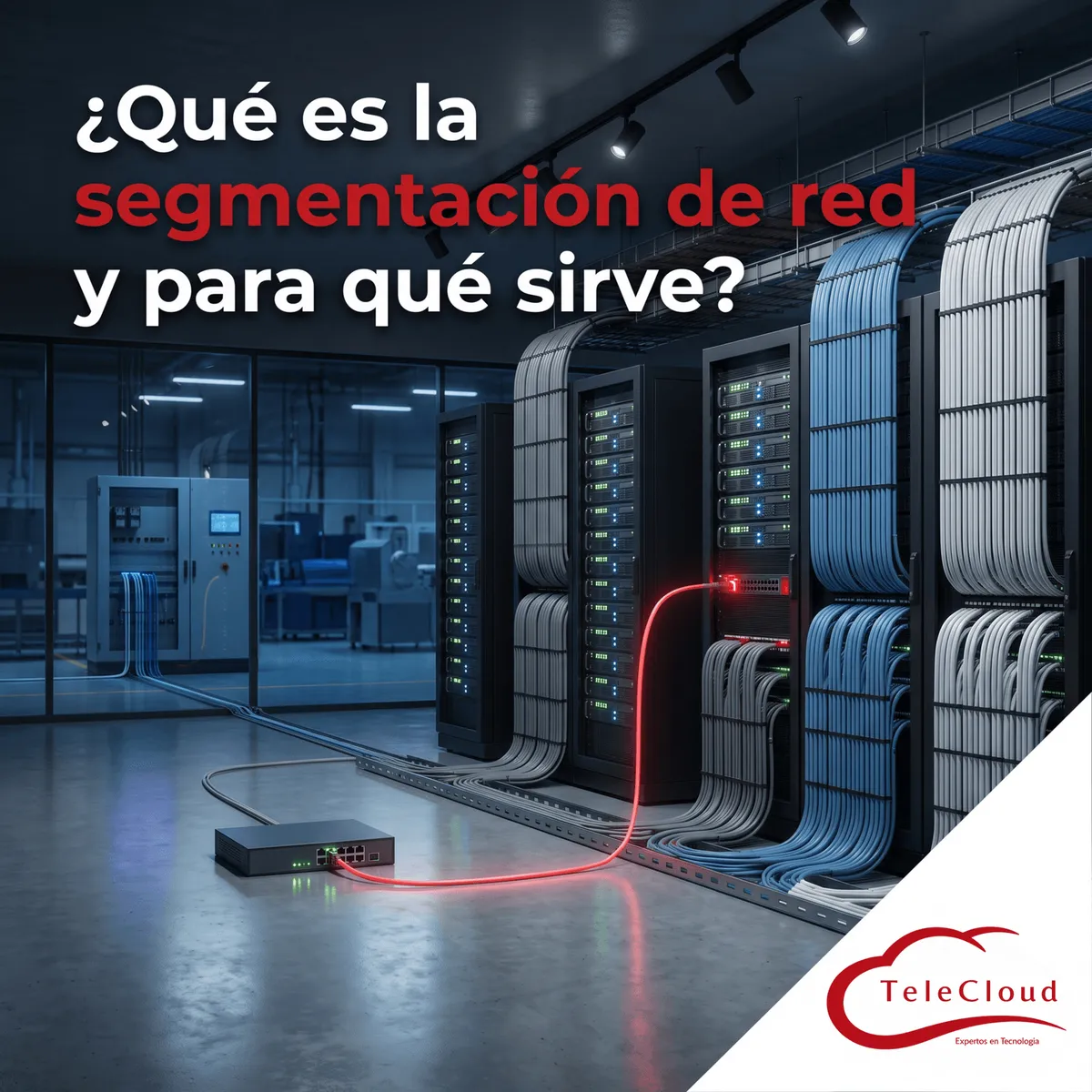
What Is Network Segmentation and What Is It For?
Segmenting a network means dividing it into separate zones (production, administration, guests, cameras, servers) with rules about what may talk to what. We explain how it is designed with VLANs and an internal firewall, which zones a plant needs and how to implement it without stopping operations.
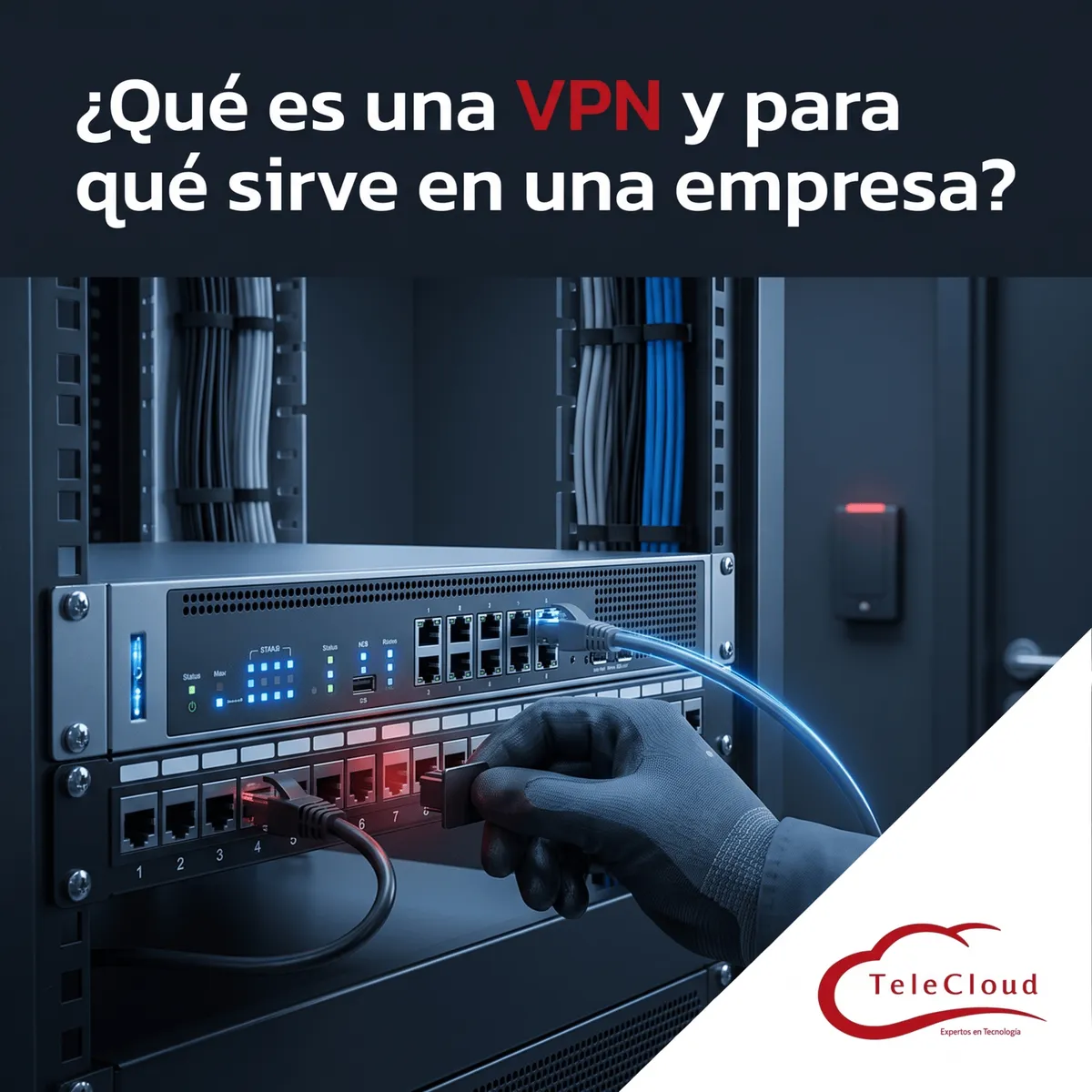
What Is a VPN and What Is It For in a Business?
A VPN creates an encrypted, authenticated tunnel between a user or a site and the company network, over the internet. We explain how it works, what an industrial plant uses it for, what it does not solve on its own and what to demand from your provider when implementing it.
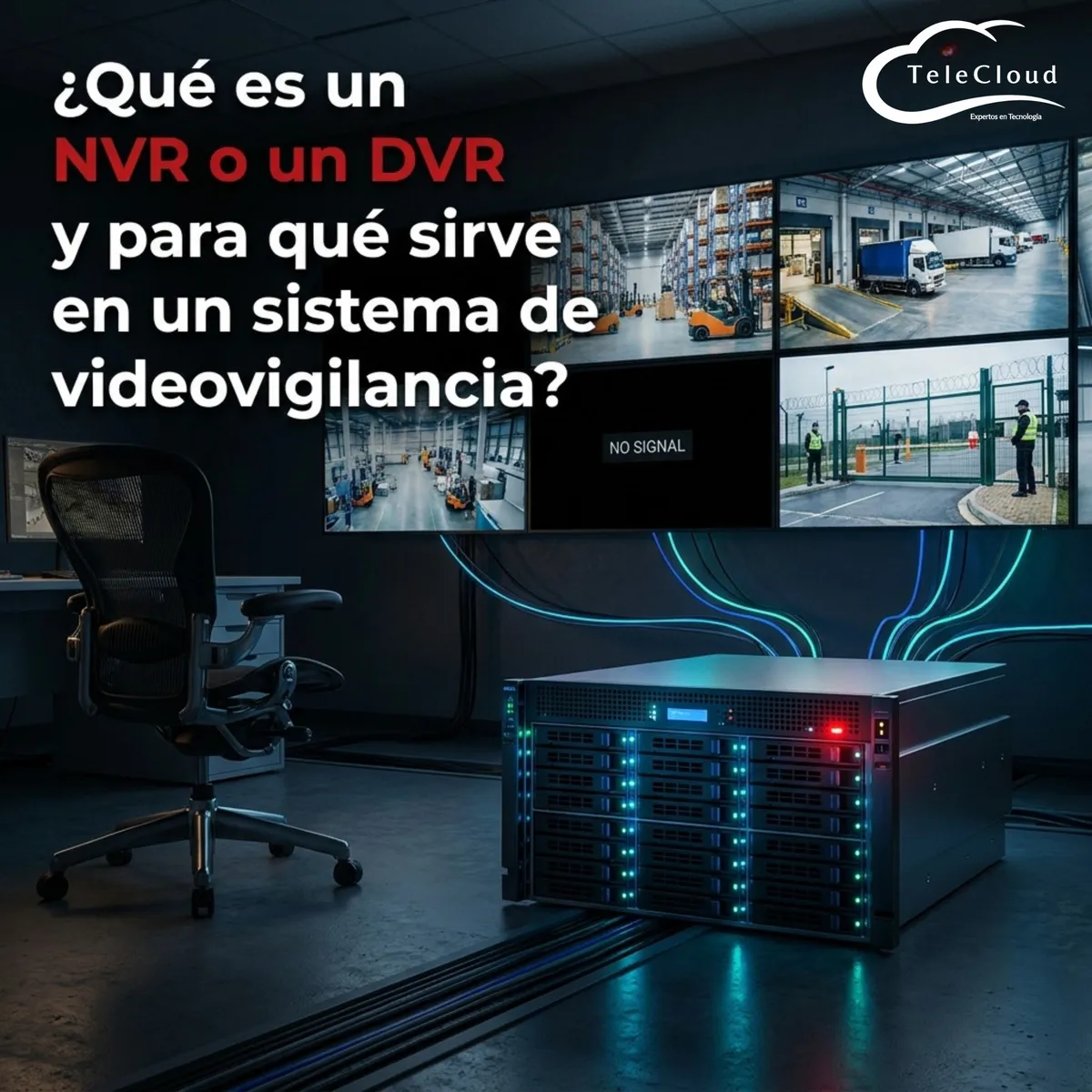
What Is an NVR or a DVR and What Does It Do in a Video Surveillance System?
The NVR and the DVR are the recorders in a video surveillance system: they store the video from every camera, determine how many days you can go back and retrieve it, and control who gets remote access. Here is what changes between the two, how retention is calculated, and what we review before sizing storage.

What Is a Contact Center and How Is It Different From a Call Center?
A call center handles the phone; a contact center brings phone, email, chat, and WhatsApp together on a single platform, with the complete client history available to the agent who answers. Here are the components that make it possible and what your network has to deliver to support it.
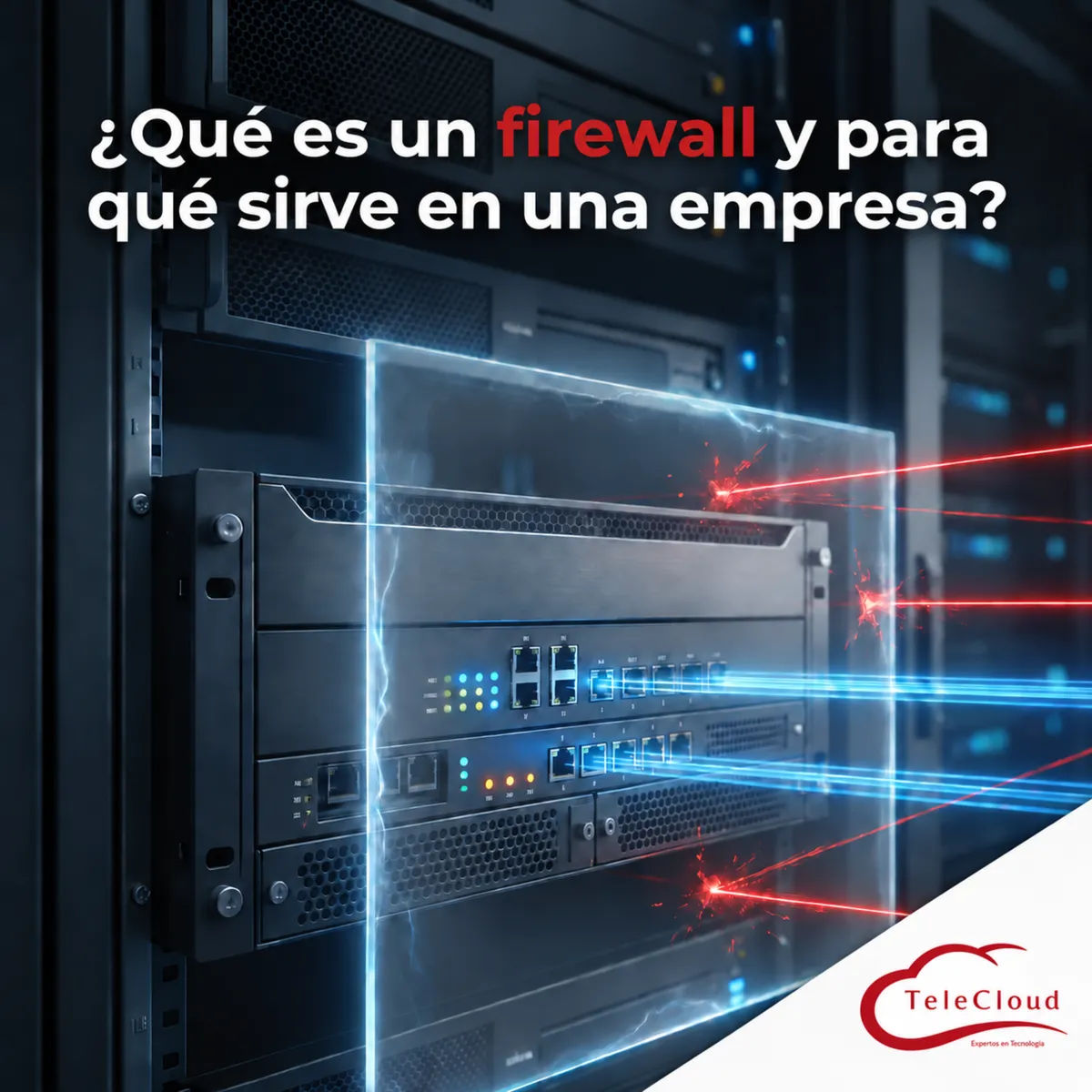
What Is a Firewall and What Does It Do for a Business?
A firewall filters your network traffic, allows legitimate connections, and blocks the ones that pose a threat. Here is how packet filtering works, why a consumer router does not protect an industrial operation, and what we evaluate before recommending a device.
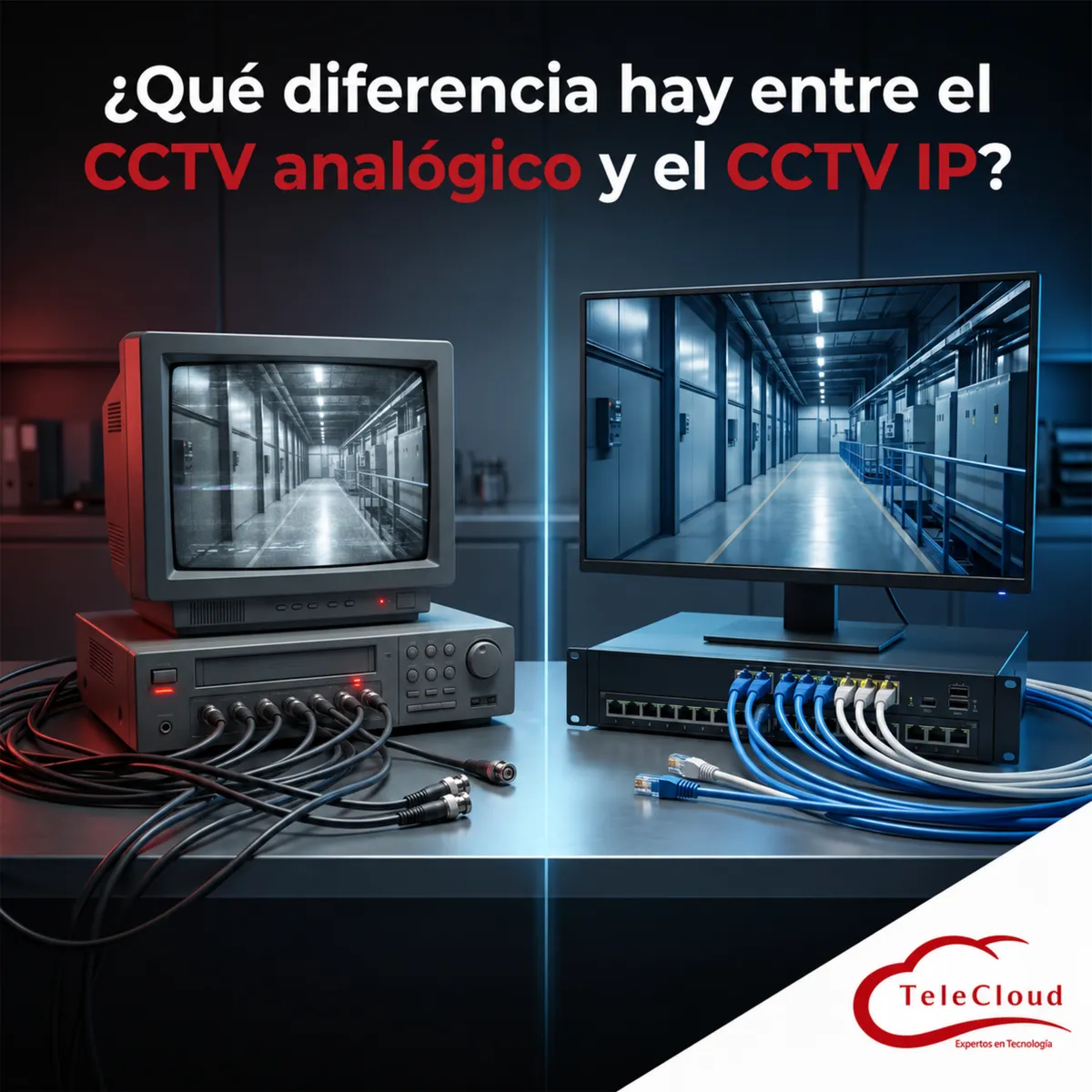
What Is the Difference Between Analog CCTV and IP CCTV?
Analog CCTV sends video over coaxial cable to a DVR with limited resolution; IP CCTV sends it over Ethernet to an NVR with higher resolution and power over the same cable. Here is what changes in resolution, cabling, scalability, and migration cost.
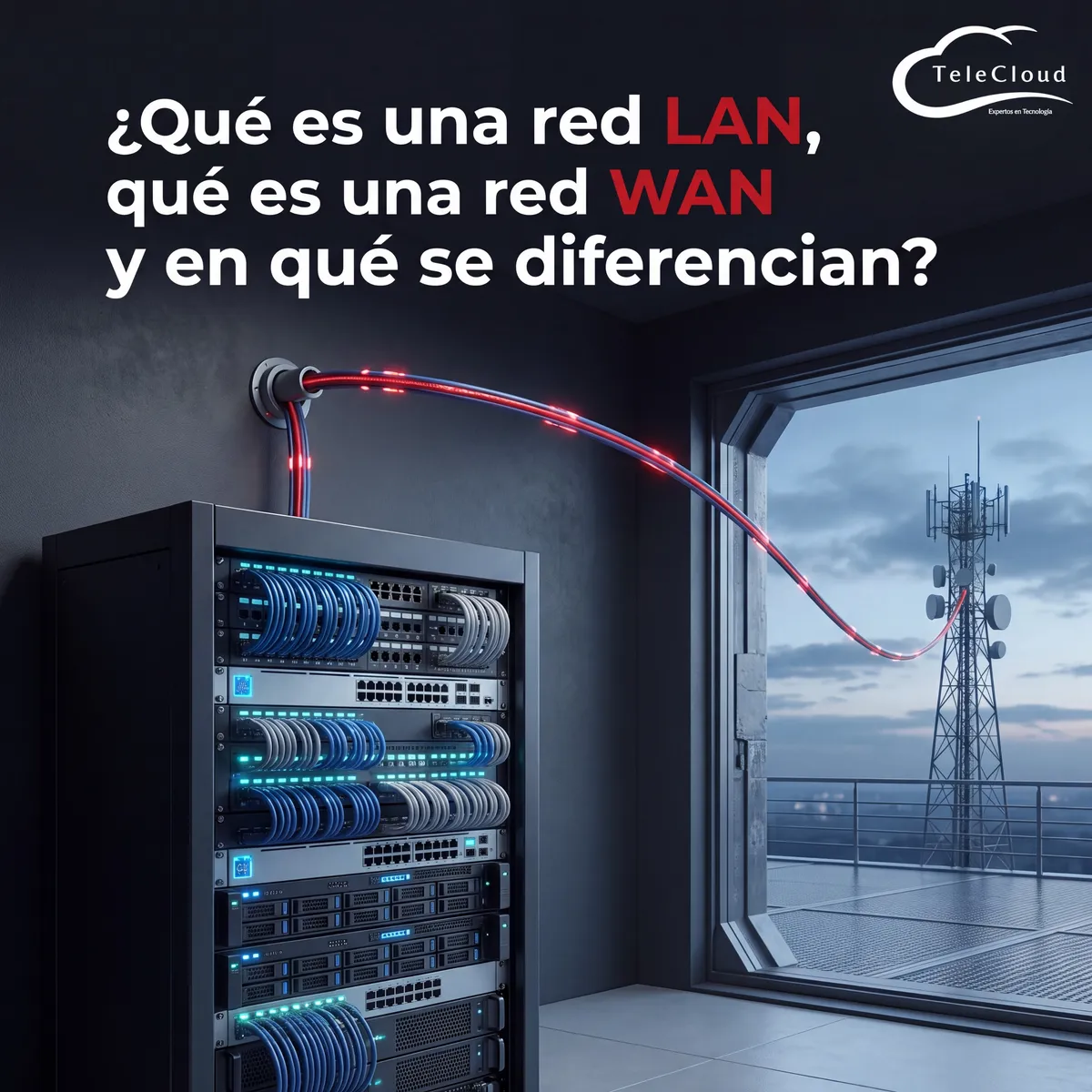
What Is a LAN Network, What Is a WAN Network, and How Do They Differ?
A LAN network connects the equipment at a single site; a WAN network connects that network to other locations across distance. We explain what each one controls, where bottlenecks appear, and what to review before scaling your company to new locations.

How Do You Design an Enterprise WiFi Network Beyond the Production Floor?
A WiFi network well designed for the production floor doesn't automatically cover offices and meeting rooms. We explain how to size coverage, capacity, segmentation, and roaming so your entire company, not just the plant, has a stable connection.

Why Are Automotive and Manufacturing Plants in Querétaro Renewing Their Network Now?
The wave of nearshoring reaching Querétaro demands segmented, redundant, and auditable networks. Automakers and Tier 1 suppliers evaluate your infrastructure before signing a contract: here is what they check and how to prepare your network without stopping production.
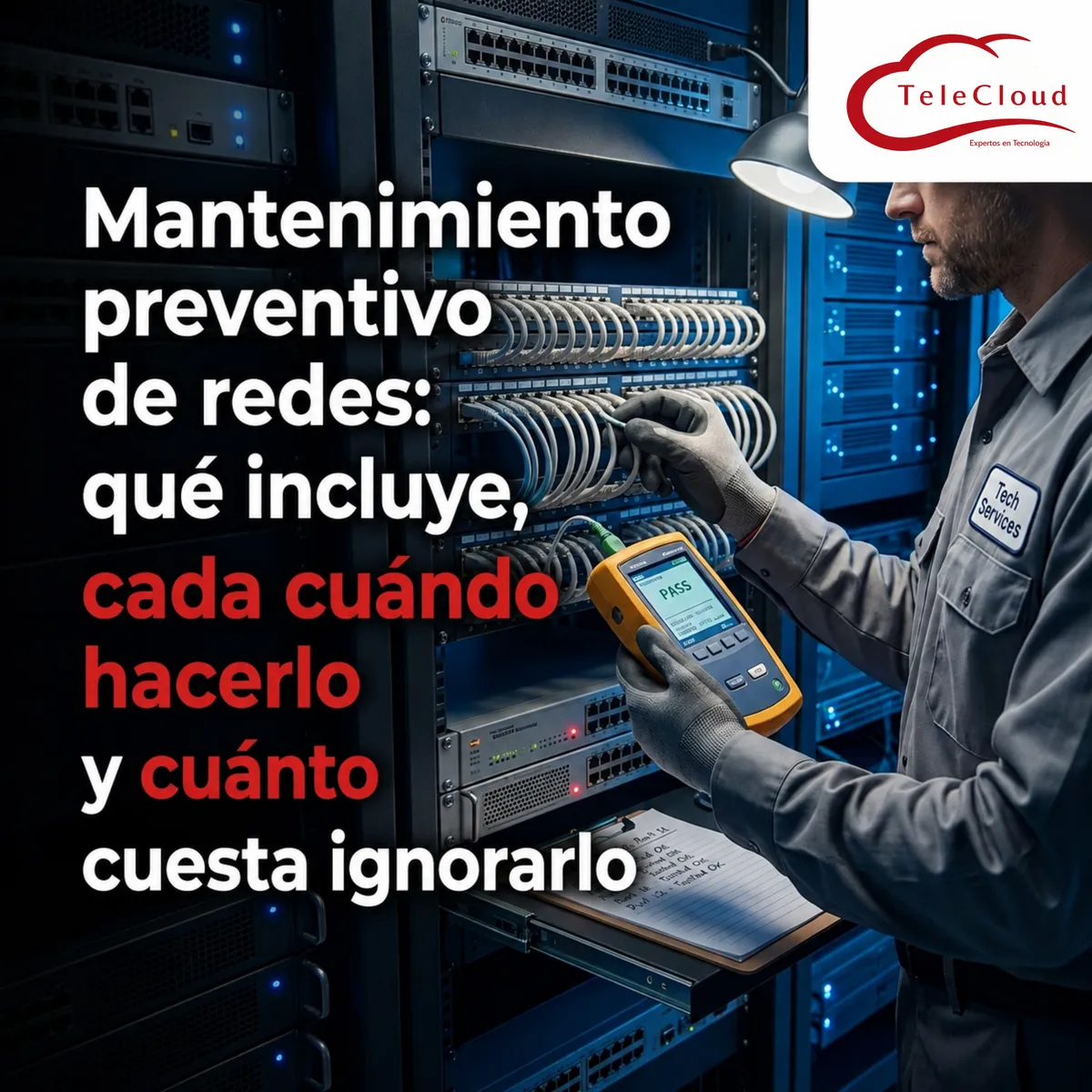
Network Preventive Maintenance: What It Includes, How Often to Do It, and What It Costs to Ignore It
Network preventive maintenance checks your infrastructure's firmware, capacity, and physical condition before it fails. Here is what it includes, how often to do it, and why it costs less than a single hour of downtime.

How to Select a Certified Technology Integrator: What You Should Demand Before Hiring
A certified technology integrator holds valid manufacturer certifications, proven experience, and defined support after installation, well beyond simply installing equipment. Here's what to demand before signing.

What Does a Technology Infrastructure Project for an Industrial Plant Include: Process, Timeline, and What to Expect?
A complete technology infrastructure project includes diagnosis, installation, certification, and final documentation, not just the physical installation of equipment. Here are the four stages and what to demand before signing.
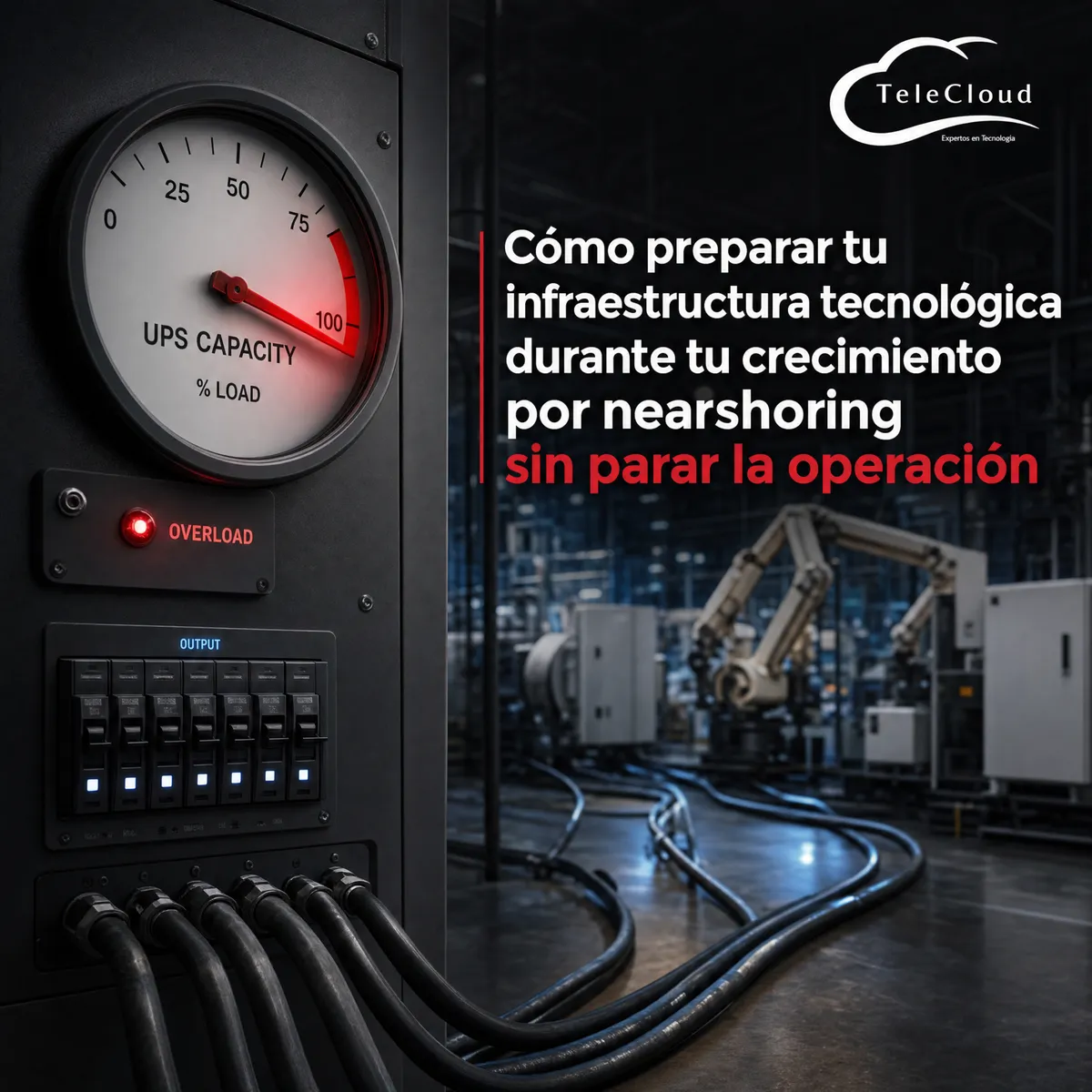
How to Prepare Your Tech Infrastructure to Grow Through Nearshoring Without Stopping Operations
Preparing your infrastructure to grow through nearshoring requires reviewing three points before scaling up: your network's real capacity, electrical continuity under a heavier load, and integrating new production equipment with the systems already running on the floor.
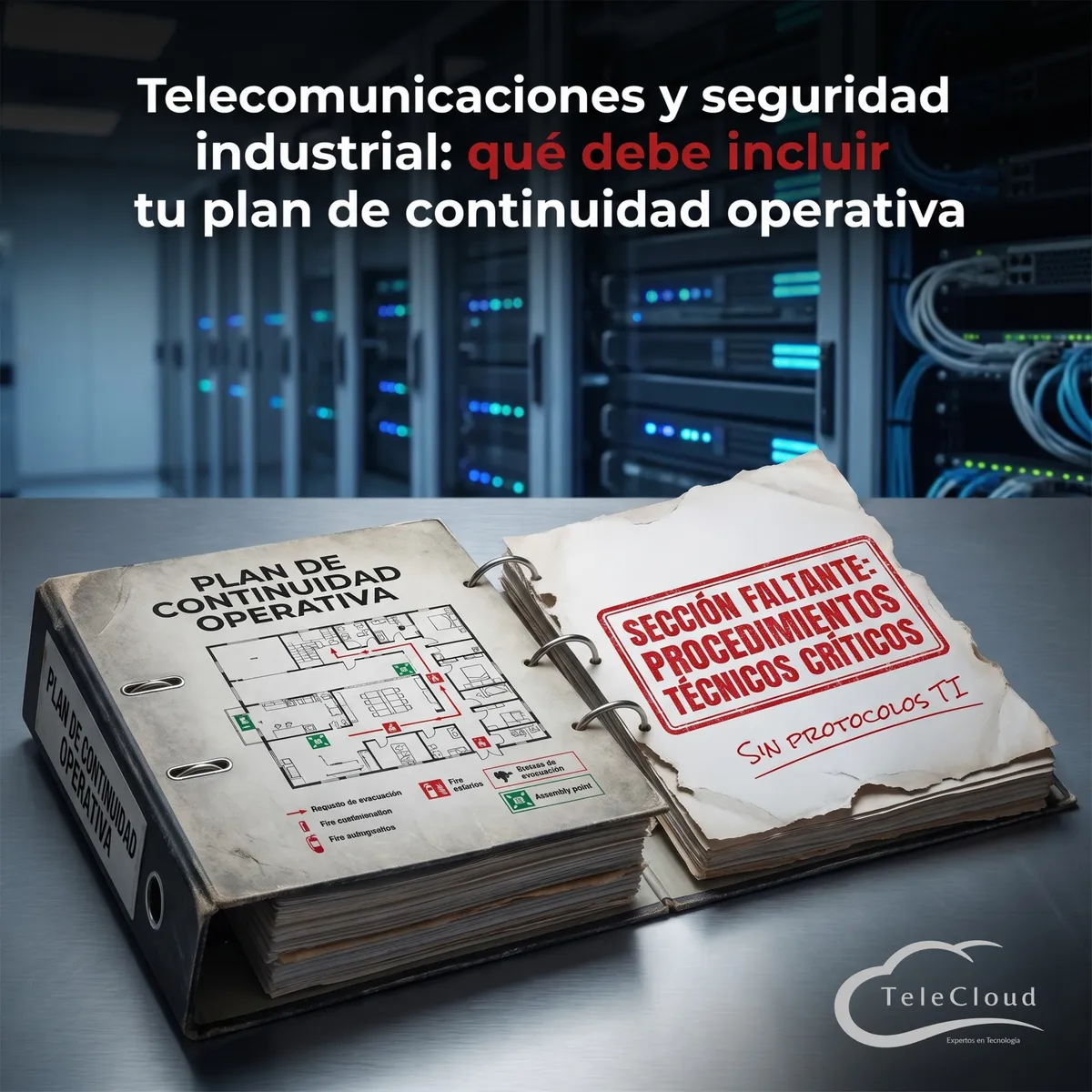
Telecommunications and Industrial Security: What Your Operational Continuity Plan Must Include
A complete operational continuity plan must cover three specific technology components: electrical continuity during power outages, network redundancy, and technical support with a guaranteed response time.

From the Office to the Plant Floor: Why Your Connection Loses Strength on the Production Floor and How to Fix It
WiFi that works perfectly in administrative offices is designed for drywall and fixed desks. The moment your connection crosses into the production floor, it needs high-performance equipment built for metal interference, constant movement, and tall open spaces.
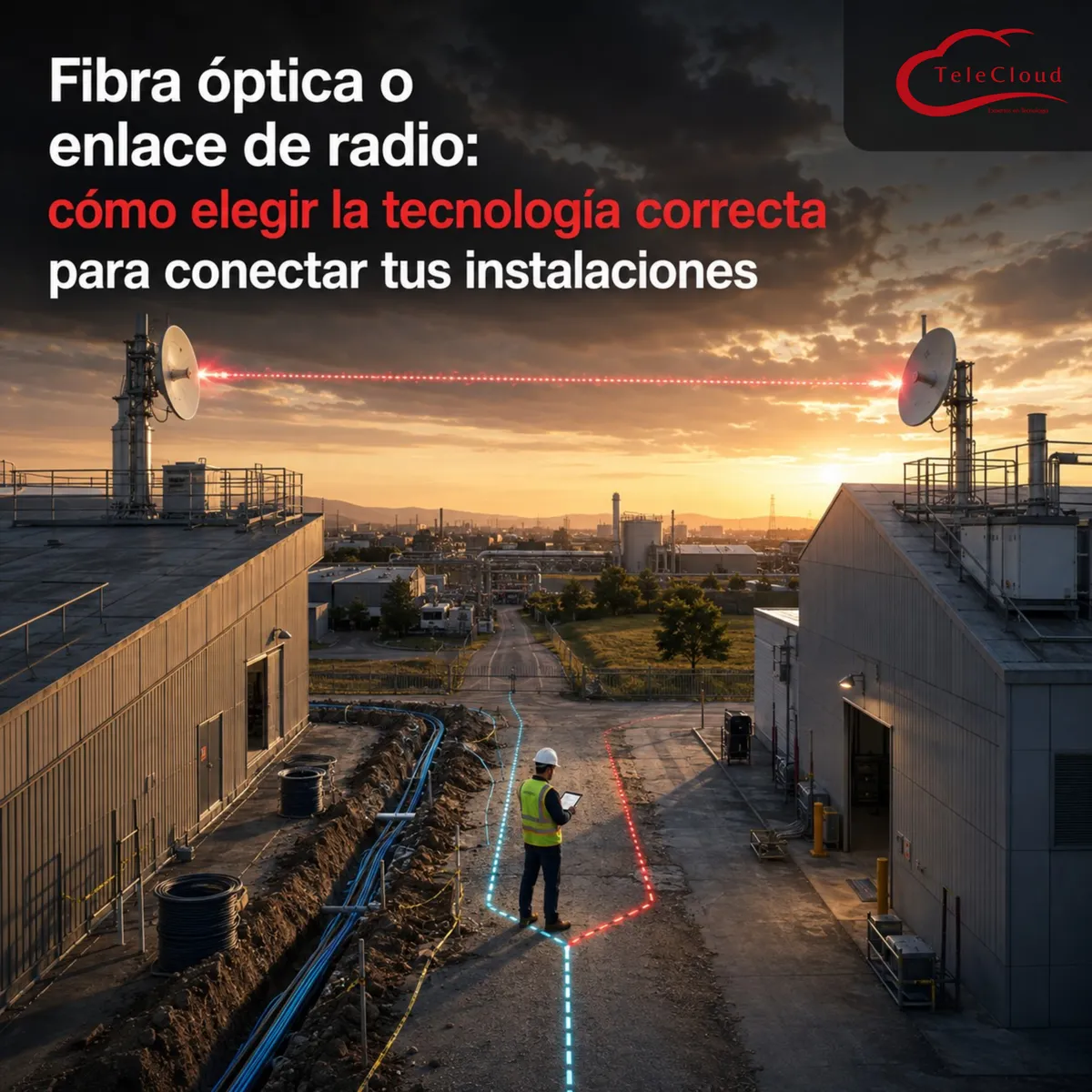
Fiber Optic or Radio Link: How to Choose the Right Technology to Connect Your Sites
The decision depends on distance, available line of sight, installation urgency, and how critical continuous connectivity is between your sites.

What Is a Biometric Access Control System and When Does an Industrial Plant Need One?
A biometric access control system authorizes entry by verifying a physical trait of the person, such as a fingerprint, face or iris, instead of a card or code. An industrial plant needs it when it must guarantee who really enters critical zones, not just which credential is presented.

How to Evaluate Your Telecom Provider SLA Before Signing the Contract
An SLA, or service level agreement, defines in measurable terms what service your provider guarantees: response time, resolution time, committed availability, coverage hours and consequences for non compliance. Evaluating it before signing is what distinguishes real support from a vague promise.
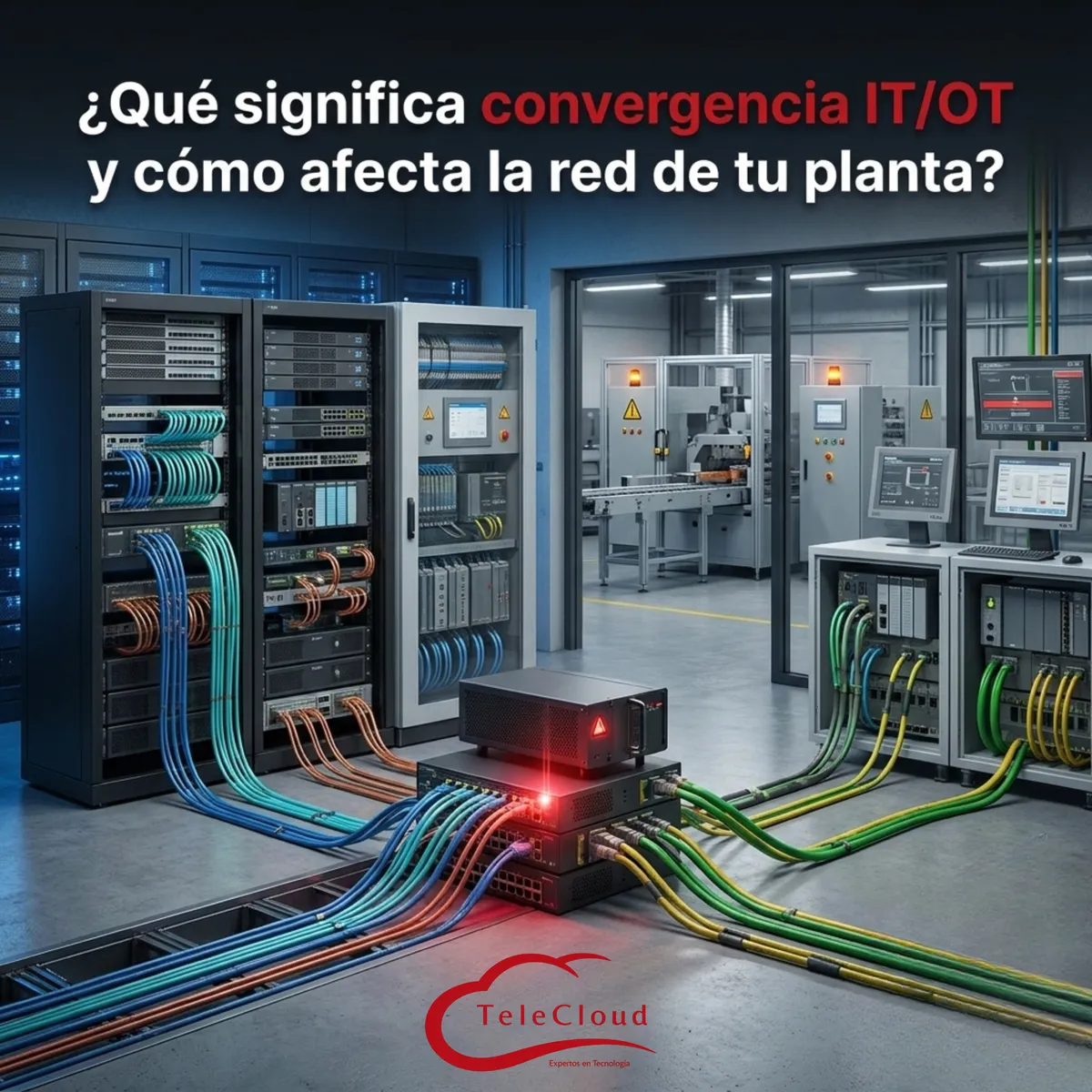
What Does IT/OT Convergence Mean and How Does It Affect Your Plant Network?
IT/OT convergence is the integration of the corporate data network with the operational technology network that controls plant machinery, so both share infrastructure, visibility and security policies under a single design.
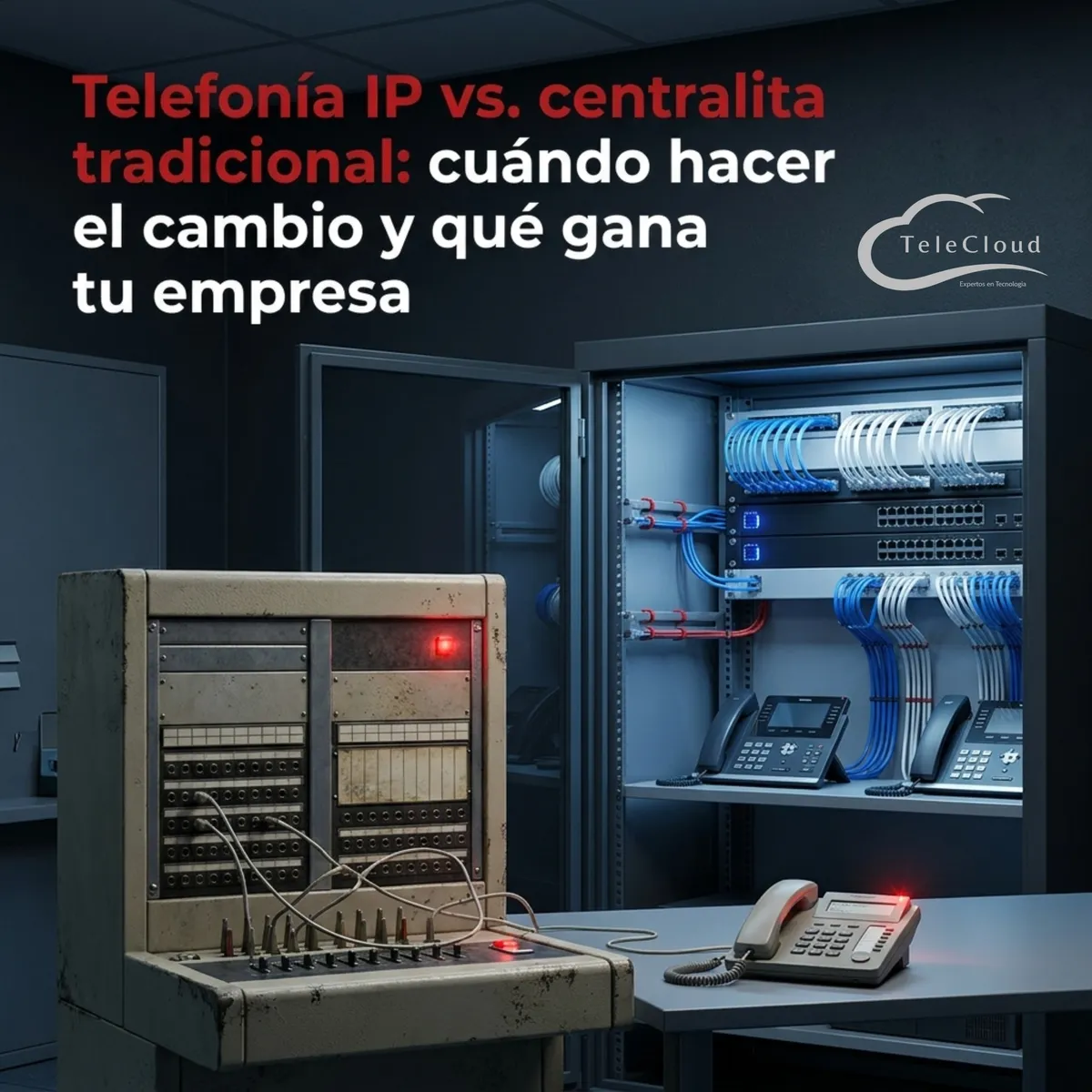
IP Telephony vs. Traditional PBX: When to Make the Change and What Your Company Gains
IP telephony carries calls over the data network, while a traditional PBX depends on dedicated lines and hardware. The change is worthwhile when your current equipment limits your operation, has no spare parts or prevents you from measuring service.
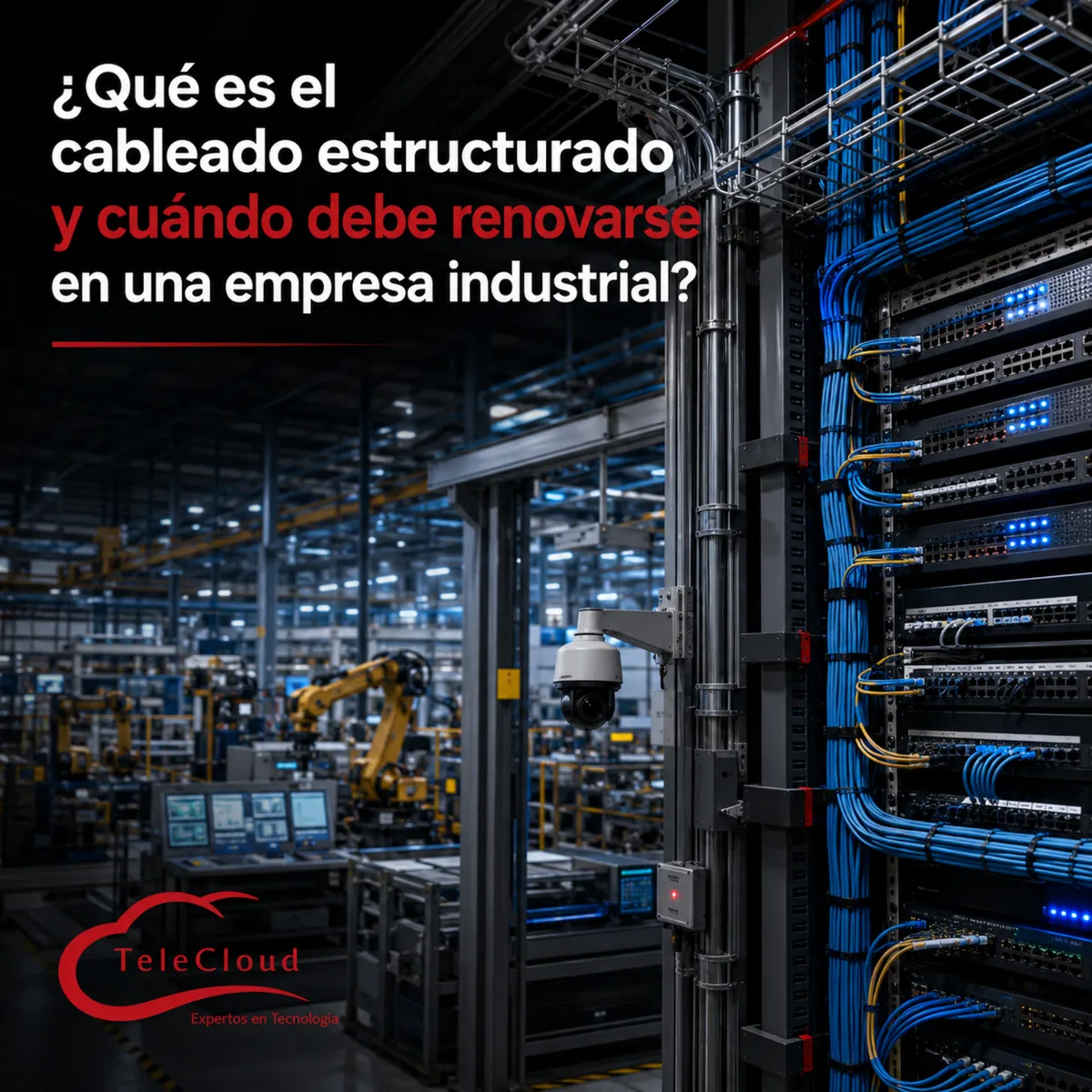
What Is Structured Cabling and When Should It Be Renovated in an Industrial Company?
Structured cabling is the physical infrastructure that supports all communications in your plant. Knowing when to renovate it prevents unplanned downtime and allows your operation to adopt the technology it needs to grow.
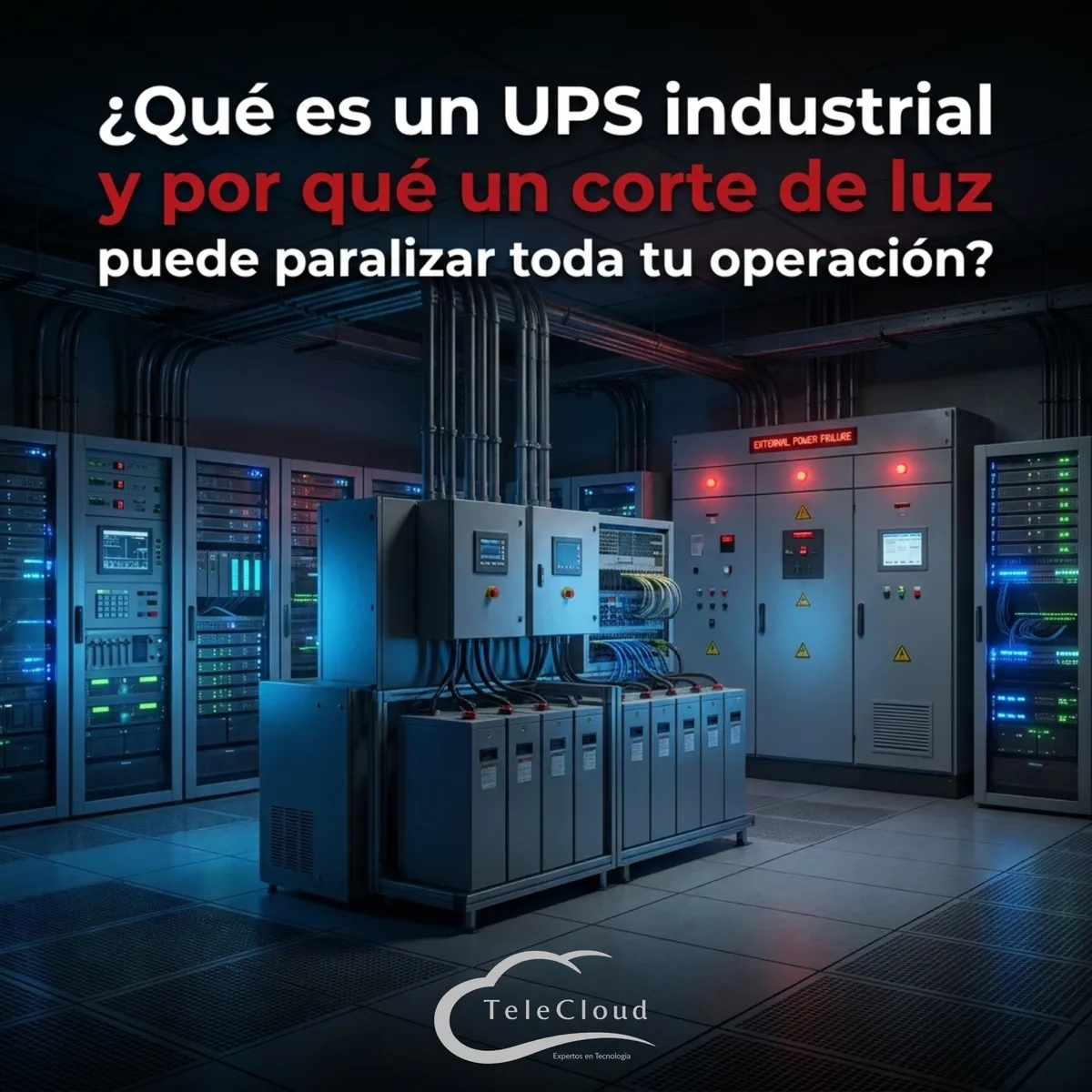
What Is an Industrial UPS and Why Can a Power Outage Paralyze Your Entire Operation?
An industrial UPS keeps electrical supply to your plant's critical equipment when the external grid fails. Without one, a three-second micro-outage can corrupt production cycles, damage data, and halt SCADA systems for hours.
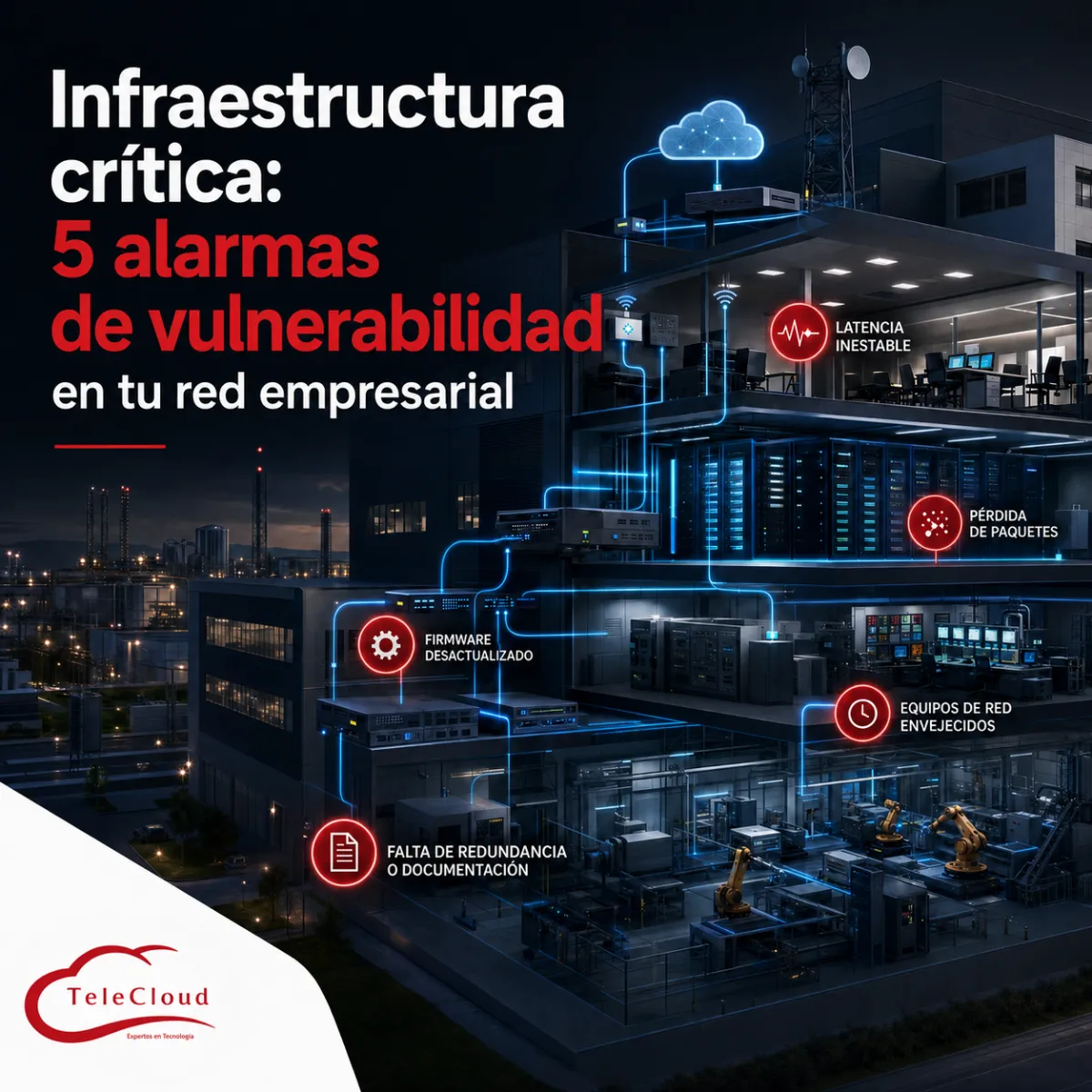
Critical Infrastructure: 5 Warning Signs Your Network Is About to Collapse
An at-risk industrial network shows five measurable warning signs before collapse: variable latency, recurring packet loss, outdated firmware, lack of redundancy, and missing documentation. Detecting them in time prevents unplanned downtime.
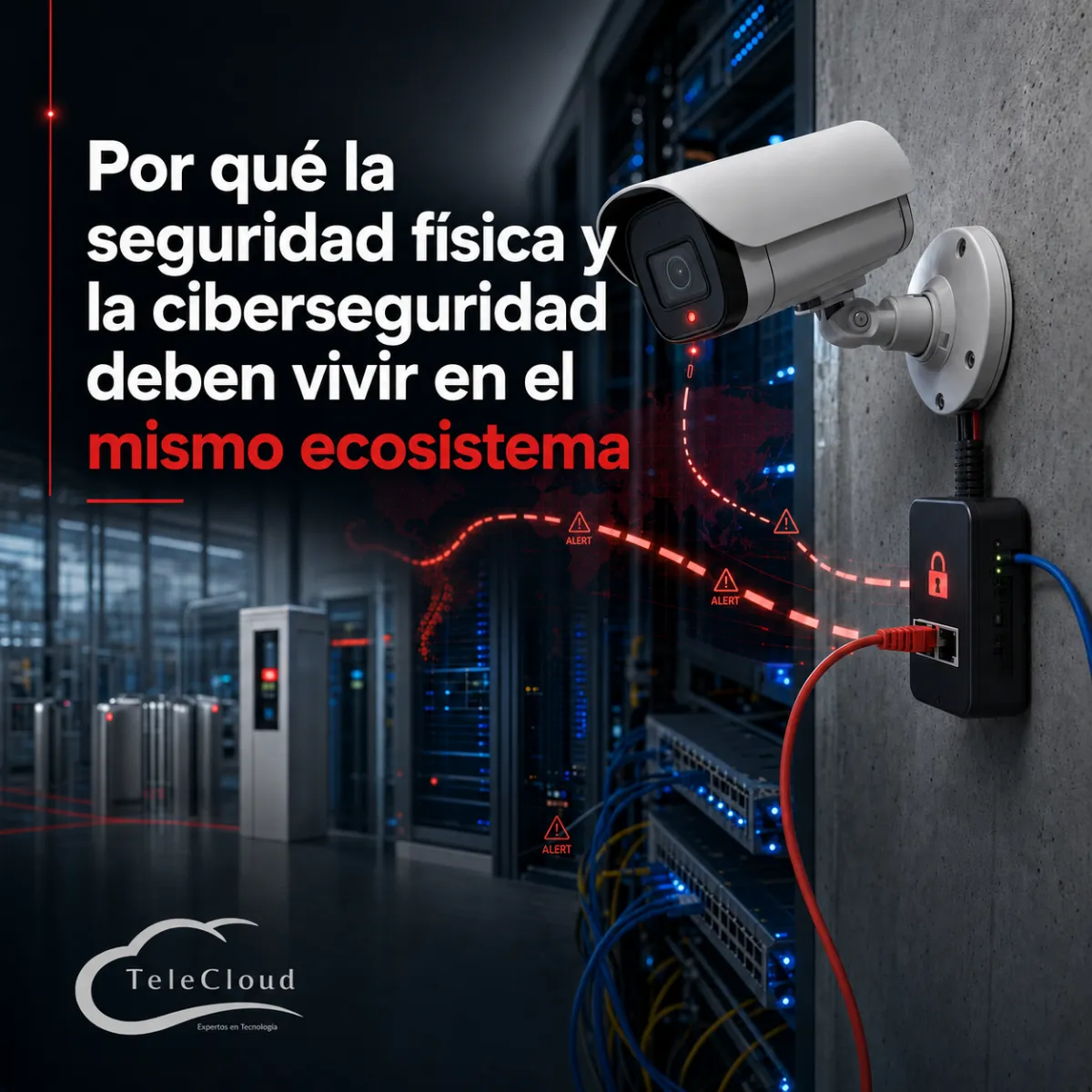
Why Physical Security (CCTV, Access Control) and Cybersecurity Must Live in the Same Ecosystem
CCTV and access control systems share a network with production equipment. Without segmentation and integration, every connected physical device is a potential attack vector. Converged management eliminates that blind spot.

Industrial Cybersecurity: How to Protect Your Manufacturing Plant from Targeted Attacks
Attacks on OT networks in the manufacturing sector have tripled in three years. A plant without network segmentation is an easy target for ransomware that can halt production for days.
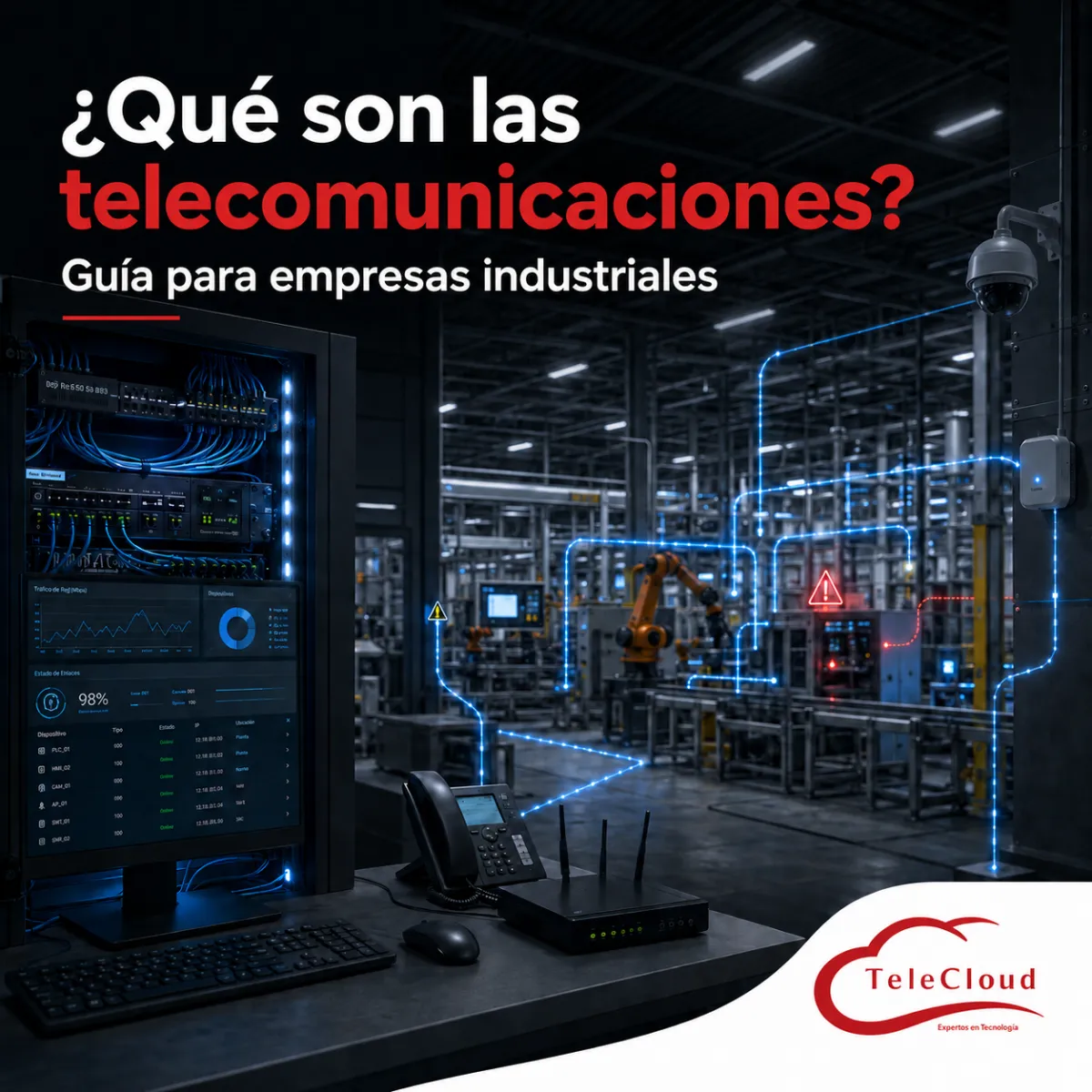
What Are Telecommunications? A Guide for Industrial Companies
Telecommunications infrastructure decides whether your plant can operate continuously or stops at the first failure. Learn the fundamentals no industrial director should ignore.
Need advice for your infrastructure?
The TeleCloud team evaluates your current network and proposes solutions adapted to your industrial operation.
Schedule free diagnosis